 Mark Scheffler
1 min read
A Sustainable Society Strengthens Our Republic
 Mark Scheffler : 3/8/26, 2:11 PM
In a healthy republic, a sustainable society means more than just civility—it means protecting the democratic institutions that make our country...
In a free society, liberty depends on more than elections and economic opportunity. It also depends on something deeply personal: the ability to live our lives without unnecessary intrusion from government or powerful institutions.
The American tradition has long recognized that certain areas of life—our families, our medical decisions, our beliefs, and our participation in democracy—deserve strong protection.
These protections do not come from a single law or amendment. Instead, they are rooted in a long line of constitutional principles and legal precedents that together form a shield around individual freedom.
That shield is what we might call FreedomShield: a framework of legal principles designed to protect privacy, bodily autonomy, democratic participation, and due process in American life.
FreedomShield brings Americans together around a simple principle: protecting personal privacy, individual liberty, and democratic rights from both government overreach and institutional abuse.
While the Constitution does not explicitly use the word “privacy,” the Supreme Court has long recognized that certain personal decisions fall within a protected sphere of individual liberty.
Several constitutional provisions contribute to this protection:

In Griswold v. Connecticut, the Supreme Court recognized that the Constitution creates “zones of privacy” protecting intimate personal decisions from government intrusion.
Over time, courts have applied this principle to areas including:
This recognition of privacy has become one of the central pillars of modern civil liberty.
Another long-standing principle in American law is that individuals have the right to make decisions about their own bodies and medical care.

This principle appears throughout medical ethics and law, including:
Federal law also protects the privacy of medical records through statutes such as the Health Insurance Portability and Accountability Act.
Questions about reproductive autonomy have also been addressed in constitutional litigation, including Roe v. Wade and later rulings such as Dobbs v. Jackson Women's Health Organization. While the legal framework has evolved, the broader debate continues to center on how personal liberty and government authority should be balanced in deeply private medical decisions.
Across the legal spectrum, the core principle remains widely recognized: medical decisions are deeply personal and deserve strong protections.
The Constitution also protects individuals from arbitrary or mistaken government action through the guarantee of due process of law.
The Fifth Amendment and Fourteenth Amendment both provide that government may not deprive any person of life, liberty, or property without due process.
In practice, this means individuals are entitled to:
Due process protections apply in many areas of life, including:
These safeguards help ensure that government authority is exercised carefully and fairly.
A democratic society depends on protecting the ability of citizens to participate in elections.
Several constitutional and statutory protections reinforce this principle.
The Equal Protection Clause of the Fourteenth Amendment requires that election procedures be applied fairly and consistently.
Federal law—including the Voting Rights Act of 1965—was enacted to protect voters from discriminatory practices that could prevent equal participation in elections.
The Supreme Court has also addressed election fairness in cases such as Bush v. Gore, which emphasized the importance of consistent standards when counting votes.
Across American law, the guiding idea is clear:
Eligible citizens should be able to easily vote and have their votes counted fairly.
Modern technology has introduced new challenges for privacy protections.
Smartphones, digital communications, location tracking, and large-scale data collection raise important questions about how constitutional protections apply in the digital era.

In Carpenter v. United States, the Supreme Court ruled that law enforcement generally must obtain a warrant before accessing historical cell-phone location data, recognizing the sensitivity of digital information about a person’s movements.
This decision reflects a broader legal principle:
Technological change does not erase fundamental constitutional protections.
Protecting freedom also requires mechanisms that allow citizens to understand and evaluate the actions of government itself.
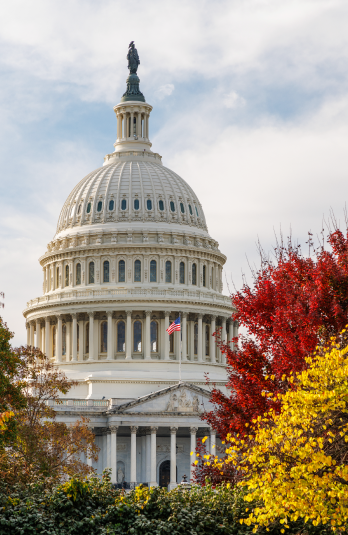
Transparency laws such as the Freedom of Information Act allow the public to request government records and hold institutions accountable.
These transparency tools reinforce democratic principles by enabling journalists, researchers, and citizens to examine how public power is used.
A free society also depends on the ability of individuals to express themselves, form relationships, and develop their personal identity without undue government interference.
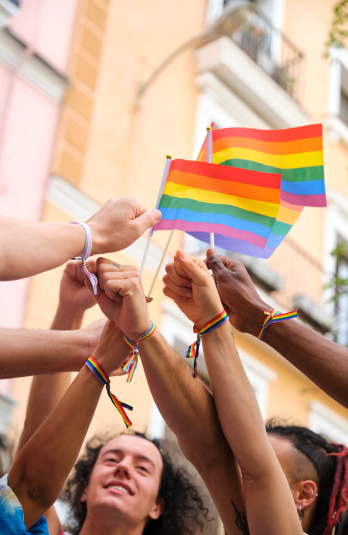
American constitutional law has long protected these freedoms through the First Amendment, which safeguards freedom of speech, belief, and association. Courts have repeatedly recognized that these protections extend beyond political speech to include personal expression, cultural identity, and the ability to associate with others.
The Supreme Court has also emphasized the importance of freedom of association in cases such as NAACP v. Alabama, where the Court ruled that government actions that interfere with individuals’ ability to organize and associate can threaten fundamental civil liberties.
These protections help safeguard several essential human freedoms:
At its core, this principle recognizes that human dignity depends not only on privacy, but also on the freedom to express who we are and to connect with one another.
Together with privacy, due process, and democratic participation, these freedoms form an essential part of the legal and moral foundations that protect liberty in American life.
Despite political differences, many Americans agree on several core principles:
These shared commitments help explain why civil-liberties protections often attract support across ideological lines.
“In a free nation, the most personal parts of our lives should never depend on the shifting winds of politics—they should be protected by the Constitution itself.”



1 min read
Mark Scheffler : 3/8/26, 2:11 PM
In a healthy republic, a sustainable society means more than just civility—it means protecting the democratic institutions that make our country...
1 min read
Mark Scheffler : 3/15/26, 1:28 PM
In a healthy democracy, every citizen deserves a voice that matters. Yet today, many Americans feel their vote carries less weight than it should....

1 min read
Mark Scheffler : 7/7/26, 1:52 PM
Immigration has become one of America's most divisive issues. For decades, Congress has struggled to produce lasting reform while border security,...